

Liposuction on Long Island
Is Stubborn Fat Keeping You From Your Goals?
You work hard at the gym and watch what you eat, yet certain areas of your body just won’t change. That frustration is real, especially when you feel like you’ve tried everything but still can’t get the shape you want.
Liposuction is a surgical procedure that removes stubborn fat from targeted areas of your body. It works on pockets of fat that resist diet and exercise, and it can reshape your stomach, hips, thighs, arms, back, and chin. Dr. Smith uses this approach to help patients on Long Island reach the body contours they’ve been working toward.
The procedure works through small incisions where a thin tube loosens and suctions out unwanted fat cells. It is typically done as an outpatient surgery, and most people go home the same day. Dr. Smith can walk you through how liposuction on Long Island fits your personal goals.
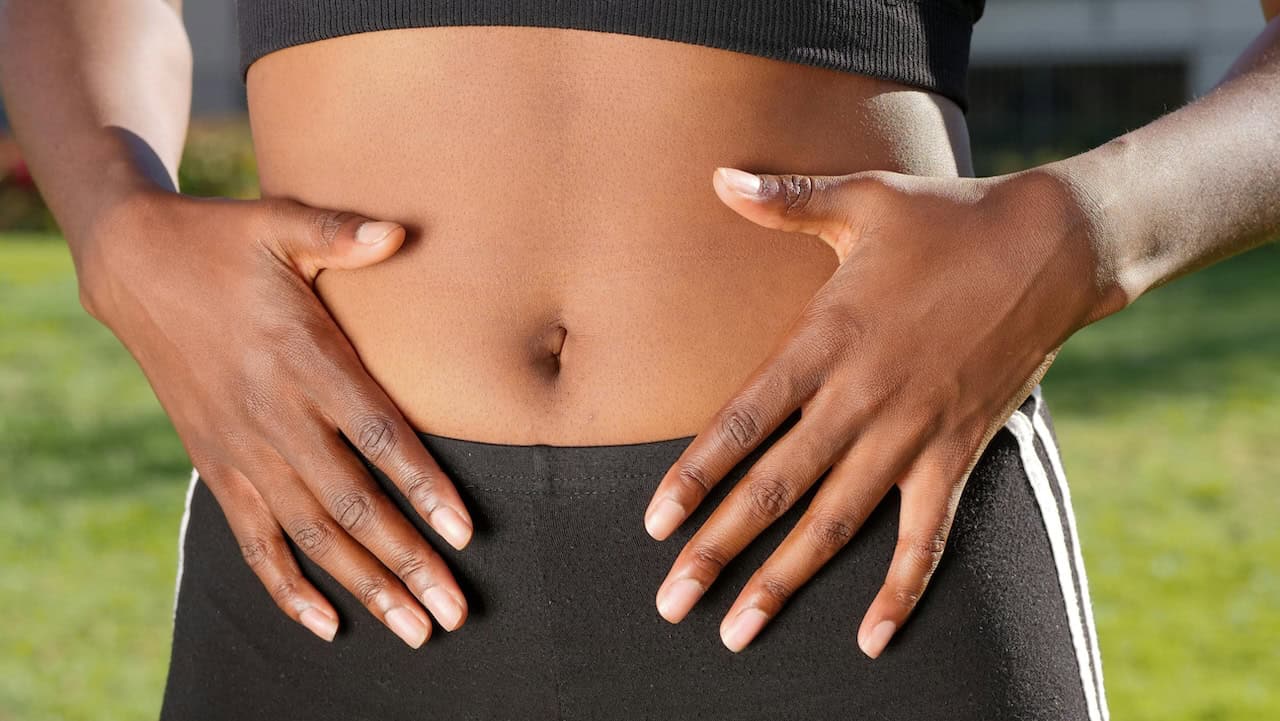
Liposuction at a Glance
Procedure Length
1–3 Hours
Anesthesia
General or Local with Sedation
Back to Work
Typically 1–2 Weeks
Scarring
Small Incisions, Easily Hidden
Benefits of Liposuction
Liposuction offers several benefits that go well beyond simple fat removal. Here is what the procedure can do for you.
Targeted Fat Removal From Problem Areas
Get rid of stubborn fat pockets that don’t respond to your diet and exercise efforts.
A More Defined Body Shape
See smoother, more balanced contours in your stomach, hips, thighs, and other treated areas.
Permanent Fat Cell Removal
Fat cells removed during liposuction do not grow back, so your results can last for years.
Ideal Candidates for Liposuction
Not everyone is the right fit for liposuction, and the best results come from patients who meet certain criteria. Here is what our team looks for.
Stable Weight Near Your Goal
You are within 20–30 pounds of your ideal weight and want to refine specific areas of your body.
Firm, Elastic Skin in Treatment Areas
Good skin elasticity allows your skin to retract smoothly after fat is removed from beneath it.
Stubborn Fat That Resists Exercise
You have pockets of fat in areas like the stomach, flanks, or thighs that won’t go away on their own.
Clear Areas of Disproportionate Fat
Certain parts of your body hold more fat than others, and this creates an unbalanced overall shape.
Specific Body Contouring Goals
You want to reshape particular parts of your body rather than lose a large amount of overall weight.
Good Skin Tone Without Excess Sagging
Your skin has enough firmness to conform to your new body contours after fat removal.
How Liposuction Reshapes Your Body
Your body stores fat in a layer just beneath the skin called subcutaneous fat. Think of it as a soft cushion that sits between your skin and your muscles. In most areas, this fat layer is fairly even, but genetics, hormones, and aging can cause certain spots to hold onto more fat than others.
A thin tube called a cannula is then inserted through small incisions in the skin. The surgeon moves the cannula back and forth to loosen fat cells, and a gentle suction device pulls them out through the tube. The incisions are so small that they often heal without stitches, and the result is a smoother, more even body contour.
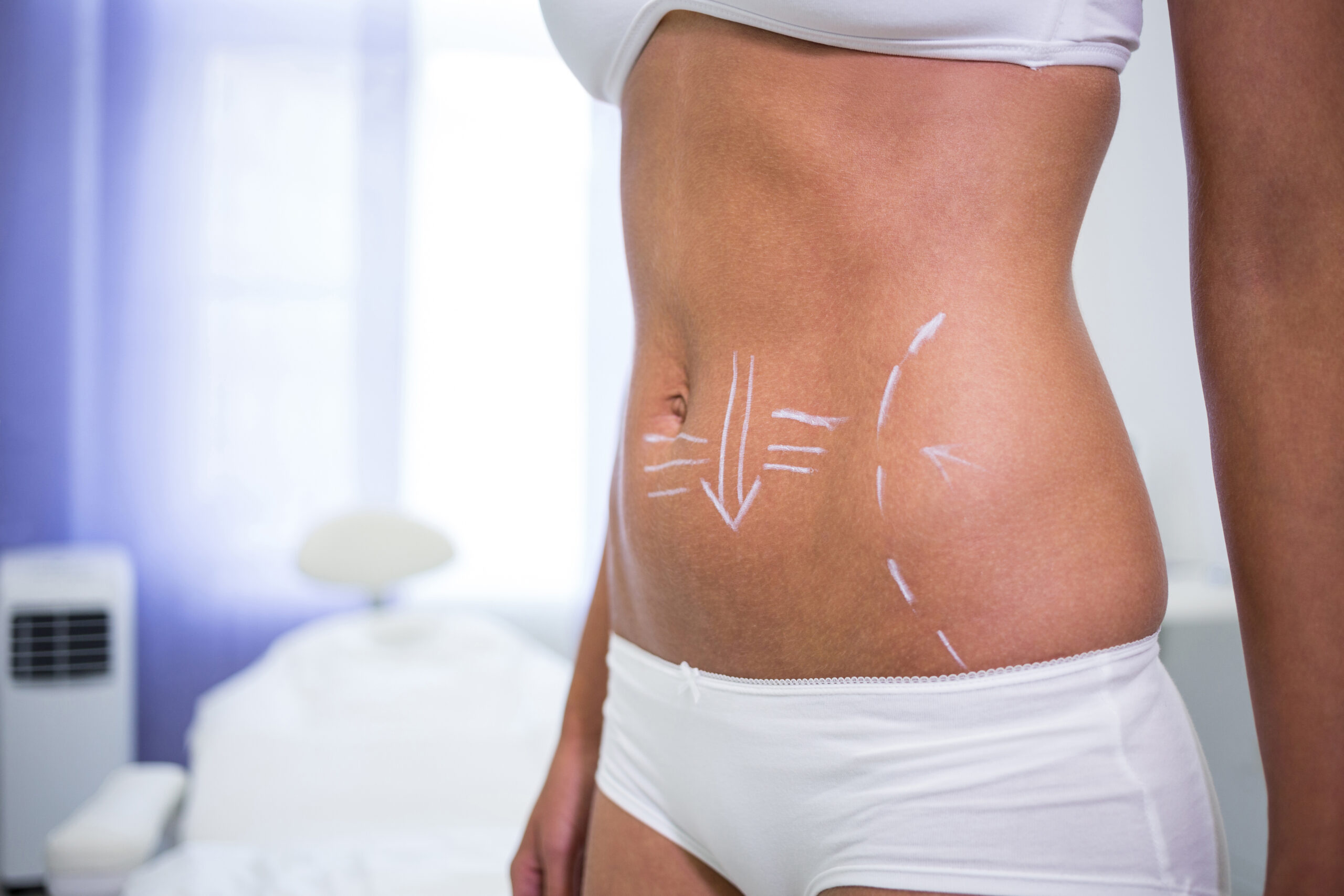
What to Expect During a Consultation at Our Long Island Office
Your consultation starts with Dr. Smith reviewing your medical history and discussing the areas of your body you’d like to address. He will examine the treatment zones, check your skin quality, and talk through your goals in detail.
Our team will guide you through what to expect before, during, and after surgery. Our practice provides clear pre-op and post-op instructions so you feel prepared and confident on your procedure day.

Liposuction Procedure Steps
Liposuction is a straightforward outpatient procedure that typically takes one to three hours. Here is what happens from start to finish.
Getting You Ready
Dr. Smith begins by marking the areas of your body where fat will be removed. These markings act as a detailed guide during surgery and help ensure the results look even and natural.
Injecting the Tumescent Fluid
A special fluid called tumescent solution is injected into the treatment area beneath your skin. This solution contains a numbing agent, saline, and a medicine that shrinks blood vessels to reduce bleeding.
Making Small Incisions
Once the area is numb and the fat is firm, small incisions are made near the treatment zone. These cuts are typically less than half an inch long, and they are placed in natural skin creases or hidden spots whenever possible.
Loosening and Removing the Fat
A thin tube called a cannula is inserted through the incisions and into the fat layer beneath your skin. Our surgeon moves the cannula back and forth in a controlled motion to break apart the fat cells.
Sculpting Your New Shape
Once enough fat has been removed, the surgical team takes time to check symmetry and balance across every treated area. Small adjustments are made to refine the contour and ensure both sides of your body look even.
Closing Up and Starting Recovery
The small incisions are either closed with tiny stitches or left open to drain excess fluid. Open incisions allow fluid to exit your body in the first few days, and this can reduce swelling early on.
Liposuction Techniques
Several liposuction techniques are available today, and the right one for you depends on your body type, your goals, and the areas being treated.
01
Tumescent Liposuction
This is the most widely used method. A special fluid is injected into the fat layer to numb the area and make fat cells easier to remove. The tumescent approach reduces bleeding and bruising, which often leads to a more comfortable recovery.
02
Power-Assisted Liposuction (PAL)
This technique uses a cannula that vibrates at a rapid speed to break up fat cells more efficiently. It is especially helpful for larger treatment areas or denser fat deposits like the back and flanks. PAL allows for more precise sculpting and may reduce overall procedure time.
03
Ultrasound-Assisted Liposuction (UAL)
Ultrasound energy is used to break apart fat cells before they are suctioned out. This approach works well in fibrous areas like the male chest or upper back. It can also promote some skin tightening in the treated area, though results vary from patient to patient.
Liposuction Recovery Timeline
Recovery from liposuction on Long Island varies from person to person, but most patients follow a similar general timeline. Your healing depends on how many areas were treated and how your body responds to the procedure.
- Days 1–3
- Days 4–7
- Weeks 2–3
- Weeks 4–6
- Months 2–3
- Months 6–12
Days 1–3
Swelling and soreness will peak during this period. You’ll wear a compression garment around the clock and rest at home with short walks to help support healthy blood flow.
Days 4–7
You can expect the swelling to slowly decrease as your body adjusts. Light daily tasks are usually fine by now, and most patients switch to over-the-counter pain relief at this stage.
Weeks 2–3
You’ll likely feel well enough to return to a desk job during this time. Bruising will fade, and you can start to see early changes in your body shape.
Weeks 4–6
Most swelling has gone down by this point, and your new contours become more visible each week. You can gradually return to light exercise with your surgeon’s approval.
Months 2–3
Your body continues to settle into its new shape as remaining swelling goes away. You’ll notice more definition in the treated areas during this stage of recovery.
Months 6–12
Final results are fully visible for most patients by this point. The treated areas look smooth and natural, and your body has fully healed from the procedure.
Dr. Smith’s Recovery Tips
- Wear your compression garment daily
- Walk gently every few hours
- Eat low-sodium meals for healing
- Skip heavy lifting for six weeks
- Attend every follow-up appointment scheduled
Why Choose Dr. Smith for Liposuction
Dr. Smith brings years of focused experience in body contouring and liposuction to every procedure he performs. His approach centers on precision and natural results, and he takes the time to map out each treatment area based on your unique body shape and goals.
When you choose liposuction on Long Island with Dr. Smith, you get a surgeon who treats every case as one-of-a-kind. His attention to detail and patient-first approach means your results are built around what matters most to you.
Frequently Asked Questions About Liposuction
Liposuction is not designed for weight loss. It is a body contouring procedure that removes stubborn fat from specific areas to improve your shape and proportions.
Most liposuction procedures take between one and three hours. The exact time depends on how many areas are treated and how much fat is removed.
Most patients receive general anesthesia, though local anesthesia with sedation may be used for smaller areas. Dr. Smith will recommend the safest option based on your treatment plan.
Most patients return to work within one to two weeks and resume full exercise by four to six weeks. Final results typically appear between three and six months after surgery.